Last updated: September 25, 2026
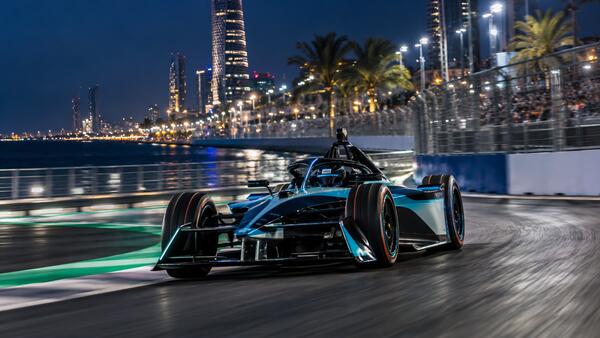
Jeddah will open Season 13 of the ABB FIA Formula E World Championship with a double-header on December 18 and 19, 2026. The two races at the Jeddah Corniche Circuit are more than another visit by the electric championship. They will mark the competitive debut of GEN4, the largest technical step in Formula E’s history, and arrive as the series introduces a new visual identity designed for its next era.
The dates and venue are confirmed on the official Formula E calendar. Some other details—including session times, country-by-country broadcasters and the full fan-zone programme—can still change before race weekend. This guide therefore separates confirmed information from reasonable expectations and explains why the Jeddah opener may look and feel very different from the Formula E races audiences have watched in recent seasons.
Formula E Jeddah 2027 date and venue
| Item | Confirmed detail |
|---|---|
| Championship | ABB FIA Formula E World Championship |
| Season | Season 13 (2026–27) |
| Round 1 | Friday, December 18, 2026 |
| Round 2 | Saturday, December 19, 2026 |
| Venue | Jeddah Corniche Circuit, Saudi Arabia |
| Car generation | GEN4 |
| Season size | 21 races at 13 events in 11 countries |
| Tickets | Registration and sales through official event channels |
Although the season is commonly associated with 2027, the Jeddah races take place in December 2026 because they open the 2026–27 campaign. That distinction matters: a shortened headline can easily create the false impression that the Saudi event itself will take place during the 2027 calendar year. After Jeddah, the championship moves to Mexico City on January 16, 2027, followed by Austin, Miami, São Paulo and other destinations in Formula E’s largest announced schedule.
Ticket holders should wait for the detailed timetable before fixing their arrival plans. Practice, qualifying, race and gate times are not final until the organiser publishes the operational schedule. Tickets should also be purchased through Formula E or an authorised local channel. Unverified resale links and screenshots without a live official booking page should not be treated as proof of availability.
What does Formula E’s new identity mean?
Formula E revealed a new visual identity ahead of the GEN4 era. It is easy to describe a rebrand as a change of logo, colour or promotional animation, but the intention is broader. More than a decade after its first race, the championship is moving from the image of an experimental electric street series to that of an established world championship with major manufacturers, faster cars and technology that can influence road-going electric vehicles.
The identity must work across the car, race suits, television graphics, digital products, track signage and social platforms. Its success will therefore depend on more than a launch video. Fans should be able to recognise the championship quickly, understand timing and energy information on screen, and distinguish the Formula E experience from other international motorsport categories.
Jeddah is a logical stage for that message. The city combines a globally recognised motorsport venue with a young market interested in technology, cars and live events. A double-header gives spectators a longer experience and gives teams an immediate chance to learn from the first competitive outing of an entirely new car.
What is the Formula E GEN4 car?
GEN4 is the fourth generation of Formula E machinery and will race from Season 13. Formula E and the FIA developed its framework to deliver a substantial increase in power, speed and energy recovery. Its defining feature is permanent active all-wheel drive, rather than front-motor assistance being restricted to particular phases as it was in the outgoing generation.
The car produces 450kW in normal race specification, approximately 600bhp, and reaches 600kW—more than 800bhp—at maximum output or in ATTACK MODE. Formula E lists a top speed above 335km/h and acceleration from zero to 100km/h in approximately 1.8 seconds. Those are official platform figures, not a promise that the car will reach its maximum speed at every venue. Straight length, aerodynamic configuration, available energy and sporting rules determine the speed seen in an actual race.
GEN4 versus GEN3 Evo
| Specification | GEN3 Evo | GEN4 | Practical meaning |
|---|---|---|---|
| Standard race power | 300kW | 450kW | 50% more baseline power |
| Maximum power | 350kW | 600kW | Much stronger acceleration and overtaking potential |
| Claimed top speed | About 320km/h | More than 335km/h | A higher ceiling that still depends on the circuit |
| 0–100km/h | About 1.86 seconds | About 1.8 seconds | Extremely rapid launches in both generations |
| Regenerative braking | Up to 600kW | Up to 700kW | Greater energy recovery under braking |
| Race energy | About 38.5kWh | 55kWh | More strategic and performance capacity |
| Drive system | Rear drive with limited front assistance | Permanent active AWD | More sophisticated traction and torque distribution |
| Tyres | One all-weather concept | Performance dry and extreme-wet options | More specialisation for track conditions |
The higher numbers do not turn the championship into a simple horsepower contest. Formula E is built around energy management. When as much as 600kW is available, deciding when to deploy it and how to recover energy becomes even more important. A driver who spends energy carelessly in the opening phase may lose more positions than the early attack gained.
Permanent all-wheel drive changes the challenge
GEN4 uses two motors and permanent active all-wheel drive, with control over how torque is distributed. The expected benefits include stronger launches, better traction out of corners and more freedom for engineers to shape the car’s behaviour through software. The same capability also adds complexity. Teams will compete through control systems and energy calibration as well as conventional mechanical setup.
On a street circuit such as Jeddah, traction can be valuable when a driver transitions from a corner to full acceleration. Yet every advantage must be balanced. GEN4 is longer and heavier than GEN3, and its greater speed increases the cost of an error. The first weekend may therefore expose a meaningful gap between manufacturers that understand the platform early and those still searching for a stable setup.
A 55kWh battery and 700kW regeneration
GEN4 increases race energy to 55kWh and regenerative braking to 700kW. Formula E says nearly half of the energy used during a race can be recovered. When the driver lifts or brakes, the motors operate as generators and return energy to the battery rather than allowing it all to disappear as heat through friction brakes.
The principle is relevant beyond racing. Road electric cars also use regeneration—at less extreme levels—to extend range and reduce reliance on conventional brakes. Manufacturers view Formula E as a fast development environment for software, thermal management, motors and efficiency. Readers interested in the Kingdom’s emerging car industry can see our detailed guide to the CEER Exobot Saudi electric sedan and SUV, which explains how batteries, multi-motor drive and cooling affect a production EV.
New aerodynamics and a two-tyre approach
The GEN4 regulations provide high- and low-downforce body configurations. The higher-downforce setup is intended to support peak lap performance, while the lower-drag configuration suits race efficiency and sustained speed. This should not be confused with bodywork changing shape automatically during a lap; it refers to permitted configurations used for particular requirements.
Formula E is also moving from a largely all-weather tyre concept to two dedicated choices: a high-performance primary tyre and a tyre for extreme wet conditions. Jeddah is usually dry in December, but the wet option is necessary for a global season that travels through very different climates.
Wider front and rear tyres should help transmit the car’s increased power, although grip must still be managed across a race distance. More grip can encourage faster cornering, but it also changes energy use and tyre temperature, giving teams another area in which setup choices may create visible differences.
Will GEN4 really be faster in Jeddah?
The official figures strongly suggest that it will, but the exact improvement cannot be confirmed before representative running. Formula E expects GEN4 to be at least five seconds per lap faster on street circuits than the latest previous-generation car, with a larger advantage in some qualifying conditions. A fair Jeddah comparison will depend on the circuit layout used, any track changes, tyre behaviour, temperature and the sporting rules applied to power and energy.
The more important promise for spectators is more aggressive racing. Extra power, permanent AWD and wider tyres can create stronger acceleration and overtaking opportunities, while energy limits preserve strategic tension. Some teams may conserve early and attack late. Others may use track position immediately and hope that a safety-car period or efficient regeneration protects their energy target.
Why a Jeddah season opener matters for Saudi Arabia
Hosting the first official race of a new generation is more valuable than hosting a routine round. The first competitive data, performance comparisons and global images of GEN4 will come from Saudi Arabia. Jeddah’s name will remain attached to the beginning of this technical era, while hotels, transport providers, restaurants and event suppliers benefit from teams, media and travelling spectators during a two-day programme.
The race sits within a wider Saudi sporting strategy covering football, boxing, motorsport, esports and major international events. Our overview of Saudi sport in 2026 and its global ambitions provides the broader context. The sustainable value of an event is not measured by ticket sales alone. It also depends on local workforce development, event-management expertise, supplier opportunities and programmes that encourage young people—particularly students and women—to engage with engineering, sustainability and sport.
Tickets, broadcast channels and weekend schedule
Formula E has opened registration and ticket sales for the Jeddah double-header through its official channels. Categories, prices and availability can change, so visitors should use the live event page at the time of purchase rather than relying on an old screenshot or a social post.
A final broadcaster list for every territory had not been published at the time of this update. Formula E rights vary by market, and local networks may confirm their schedules closer to the event. Viewers should check Formula E’s official “Ways to Watch” page and their licensed local broadcaster shortly before race weekend. Unauthorised streaming websites are unsafe, frequently misleading and do not respect media rights.
The full event timetable is also still to come. A Formula E double-header normally includes practice, qualifying and a race for each round, with fan areas and supporting activities around the sporting programme. These are reasonable expectations, not confirmed session times. This guide will be updated when the organiser publishes gate hours, session schedules, Saudi broadcast information and access instructions.
What fans should watch during the first race
The first start will reveal whether permanent AWD produces cleaner launches and how closely the field can follow through Jeddah’s faster sections. Qualifying should show the raw performance gap between manufacturers, while the race will expose energy efficiency, cooling and tyre management.
Reliability is another major question. A new generation brings new batteries, control systems, powertrains and bodywork. Pre-season testing reduces risk, but racing under pressure can uncover issues that do not appear in development. The teams that finish both Saudi rounds with strong points may gain more than an early championship lead: they will leave with valuable data about how GEN4 behaves in traffic and heat.
Frequently asked questions
When is the 2027 Jeddah Formula E race?
Jeddah hosts Round 1 on December 18, 2026 and Round 2 on December 19, 2026 at the Jeddah Corniche Circuit.
Why is it called a 2027 season if Jeddah races in 2026?
It is the 2026–27 championship season. The campaign begins in December 2026 and continues until July 2027, so the Saudi races are the opening rounds rather than 2027 calendar-year events.
Is GEN4 fully electric?
Yes. It is a fully electric single-seater with two motors, permanent active all-wheel drive and regenerative braking rated at up to 700kW.
How powerful is the Formula E GEN4 car?
It produces 450kW in standard race operation and up to 600kW at maximum output or in ATTACK MODE, equivalent to more than 800bhp under the official conversion.
Are the Saudi TV channels confirmed?
Not yet for every platform and territory. Fans should check Formula E’s official viewing guide and the schedule of their licensed local provider near the event.
The bottom line
Jeddah’s races on December 18 and 19 are not simply the beginning of another championship. They are the first competitive test of a machine that changes Formula E’s performance equation. GEN4 brings 450kW of race power, 600kW at maximum output, permanent AWD, a larger battery, stronger regeneration and specialised aerodynamic and tyre solutions.
Important practical details remain pending, particularly the complete weekend timetable, local broadcast schedule and fan activities. What is already certain is that the GEN4 era will begin in front of the public at the Jeddah Corniche Circuit. If teams turn the technical promise into close racing, the Saudi double-header could become one of Formula E’s defining weekends.
Primary sources: the official Formula E Season 13 calendar, Formula E’s GEN4 technical page and the FIA GEN4 announcement. Information checked on September 25, 2026 and subject to update when organisers issue new details.