
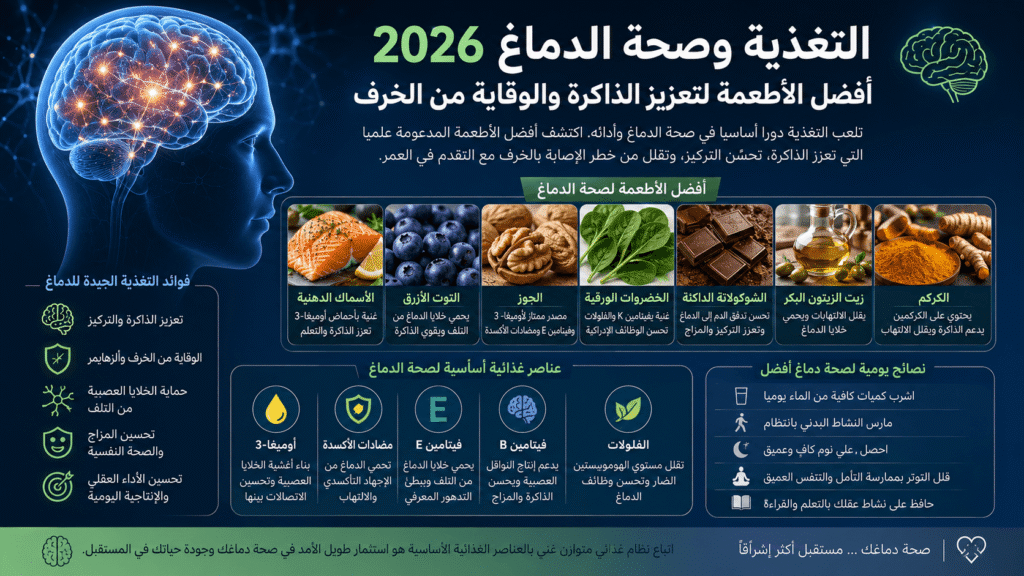
Science is discovering more every year about how what we eat directly affects our brain health, memory, and cognitive ability. With dementia cases rising globally, the question has never been more urgent: can we protect our brains through diet? In 2026, the answer is a resounding yes.
Why Does Brain Nutrition Matter?
The brain consumes around 20% of the body’s energy despite making up only 2% of body weight. It requires a steady supply of glucose, omega-3 fatty acids, antioxidants, and multiple vitamins to function optimally. Studies from 2025-2026 indicate that people following diets rich in vegetables, fish, and nuts had a 40% lower risk of developing dementia compared to those consuming nutrient-poor diets. The connection between gut health and brain health is now well established, making every meal a potential investment in your cognitive future.
Top 10 Brain-Boosting Foods
Fatty fish like salmon and tuna are rich in omega-3 fatty acids that reduce neurological inflammation and support brain cell membranes. Berries including blueberries and strawberries contain flavonoids and antioxidants that protect brain cells from oxidative stress. Nuts, especially walnuts and almonds, provide healthy fats, Vitamin E, and magnesium essential for brain health. Extra virgin olive oil improves memory and reduces oxidative stress markers in the brain. Leafy greens like spinach and kale are packed with iron, folate, and Vitamin K crucial for brain function. Legumes such as lentils and chickpeas provide plant-based proteins and fiber that support the gut-brain axis. Dark chocolate with 70% or higher cacao content contains theobromine and flavonoids that boost mood and cognition. Turmeric, a staple in Saudi cuisine, contains curcumin with powerful anti-inflammatory and Alzheimer’s-protective properties. Avocados deliver monounsaturated fats that support healthy blood flow to the brain. Whole grains provide steady glucose release, keeping cognitive performance stable throughout the day.Fatty fish like salmon and tuna are rich in omega-3 fatty acids that reduce neurological inflammation. Berries including blueberries and strawberries contain flavonoids protecting brain cells. Nuts especially walnuts provide Vitamin E and healthy fats. Extra virgin olive oil improves memory. Leafy greens like spinach supply folate and iron. Legumes provide fiber supporting the gut-brain axis. Dark chocolate (70%+ cacao) contains brain-boosting theobromine. Turmeric’s curcumin offers anti-inflammatory and Alzheimer’s-protective benefits. Avocados support healthy blood flow to the brain. Whole grains ensure steady glucose for stable cognitive performance.
Dementia and Alzheimer’s: How Diet Can Help Prevent Them
Alzheimer’s disease is the most common form of dementia, currently affecting over 55 million people worldwide, with projections reaching 150 million by 2050. Research strongly indicates that the Mediterranean diet rich in fish, vegetables, and olive oil reduces dementia risk by up to 35%. The MIND diet, specifically designed for brain health, has been shown to reduce Alzheimer’s risk by as much as 53% in long-term studies. Conversely, diets high in refined sugar and processed foods are associated with accelerated neuronal decline and brain inflammation.
Saudi Cuisine and Brain Health: Hidden Strengths
Traditional Saudi cuisine contains many brain-protective ingredients. Turmeric features prominently in many dishes and offers curcumin benefits. Lentils and chickpeas provide excellent plant protein and fiber for gut-brain health. Saudi dates are packed with minerals, antioxidants, and natural sugars that provide sustained energy for the brain. Ginger and cardamom possess potent anti-inflammatory properties. The challenge for many Saudis lies in the increased consumption of processed fast foods, sugary carbonated drinks, and refined carbohydrates that counteract these traditional benefits, particularly among the youth population.Traditional Saudi cuisine contains many brain-protective ingredients. Turmeric features prominently in many dishes offering curcumin benefits. Lentils and chickpeas provide excellent plant protein and fiber for gut-brain health. Saudi dates are packed with minerals and antioxidants. Ginger and cardamom possess potent anti-inflammatory properties. The challenge is increased consumption of processed fast foods and sugary drinks that counteract these traditional benefits, particularly among Saudi youth.
Practical Daily Tips for Brain-Healthy Eating
Start each day with a handful of mixed nuts. Add fatty fish to your meals at least twice a week. Replace sugary juices with fresh whole fruit. Drink at least 8 glasses of water daily since dehydration is a leading cause of cognitive decline. Enjoy moderate amounts of coffee as research suggests two cups daily may offer neuroprotective benefits. Reduce added sugar and processed foods, and aim for a varied, whole-food diet that supports both body and brain.Start each day with a handful of mixed nuts. Add fatty fish at least twice weekly. Replace sugary juices with fresh fruit. Drink 8 glasses of water daily as dehydration impairs cognition. Enjoy moderate coffee as studies suggest it offers neuroprotective benefits. Reduce added sugar and processed foods in favor of whole-food Mediterranean-style eating.
Sleep and Hydration: Two Forgotten Pillars of Brain Health
Conversations about brain health often focus on food alone, while overlooking two factors that are just as important: sleep and hydration. During deep sleep, the brain runs an internal cleaning process that clears out accumulated metabolic waste, including proteins linked to Alzheimer’s disease. This is why chronic sleep deprivation is associated with poor memory and a decline in focus and decision-making. Adults are advised to get seven to nine hours of uninterrupted sleep, and to avoid screens for at least an hour before bedtime.
Hydration plays an equally decisive role. The brain is made up of roughly 75% water, and even mild dehydration can reduce alertness and slow mental processing speed. In Saudi Arabia’s hot climate, drinking water regularly throughout the day becomes especially important, rather than relying on thirst — which usually lags behind the body’s actual need.
Exercise and Mental Activity: A Different Kind of Nourishment
A brain-nutrition system is incomplete without physical movement. Regular physical activity increases the flow of oxygen-rich blood to the brain and stimulates the release of brain-derived neurotrophic factor, a protein that supports the growth of neurons and the formation of new connections between them. Research suggests that a brisk thirty-minute walk most days of the week improves memory and mood and lowers the risk of cognitive decline with age.
Continuous mental challenge — such as learning a new language, solving puzzles, or reading widely — acts as a workout that keeps the brain flexible. Combining a healthy diet, physical activity, and mental stimulation forms an integrated trio that has proven effective in protecting cognitive abilities over the long term.
A Sample Full Day of Brain-Healthy Eating
To make things concrete, here is a realistic model that is easy to apply within a Saudi dietary pattern. The day begins with a breakfast of eggs with whole-wheat bread, a handful of walnuts, and a piece of fresh fruit — a mix that provides protein and healthy fatty acids to support morning focus. For lunch, a plate combining grilled fish or lentils with brown rice, leafy greens, and olive oil is ideal, closely mirroring the antioxidant-rich Mediterranean diet.
Snacks between main meals can be dates with a few nuts or yogurt with berries, instead of sweets and soft drinks. The day ends with a light dinner at least two hours before bedtime to avoid disrupting sleep. This model is not a rigid regimen but a flexible framework that can be adjusted to taste and budget — and the most important factor is consistency, not perfection.
Common Myths About Brain Foods
Several inaccurate beliefs about brain nutrition deserve correction. It is a mistake to think that supplements alone can compensate for a poor diet; whole foods remain the best source of the nutrients the brain needs. Likewise, there are no “superfoods” that work miracles on their own — the real benefit comes from a balanced, sustainable dietary pattern rather than a single isolated ingredient.
Another myth is that sugar provides a useful “quick energy” boost for the brain; in reality, a sharp spike in blood sugar is followed by a crash that causes distraction and fatigue. Skipping breakfast to save on calories can also harm focus during the morning hours. Being aware of these misconceptions helps people make smarter dietary choices that genuinely support the mind.
Brain Nutrition Across Different Life Stages
The brain’s nutritional needs change with each stage of life, which makes tailoring the diet important. In childhood and adolescence, the brain is at its peak of growth and needs iron, zinc, and omega-3 fatty acids to support learning, memory, and attention — which is why a balanced breakfast before school is recommended to improve academic performance. For young adults and adults, the focus shifts to maintaining concentration and resisting the mental fatigue caused by the pressures of work and study.
With advancing age, anti-inflammatory and antioxidant-rich foods become increasingly important for preventing cognitive decline and dementia. Studies indicate that adopting healthy eating habits early provides cumulative protection for the brain, with benefits that become clearly visible in later decades of life. Brain nutrition thus becomes a long-term investment that starts in childhood and continues into old age.
Comparison Table: Best Diets for Brain Health
| Feature | Mediterranean Diet | MIND Diet | Western Diet (Typical) |
|---|---|---|---|
| Memory Impact | Excellent (+35%) | Excellent (+53%) | Negative (-20%) |
| Dementia Prevention | Very High | Highest Effect | Low |
| Key Foods | Olive oil, fish, vegetables | Berries, fish, nuts | Sugars, saturated fats |
| Ease of Following | Moderate | Moderate | Easy (common) |
| Monthly Cost | Moderate | Moderate to High | Low to Moderate |
| Saudi Cuisine Compatibility | Very High | Good | High (prevalent) |