Ebola Virus Disease: Symptoms, Causes, Vaccines & Prevention Guide

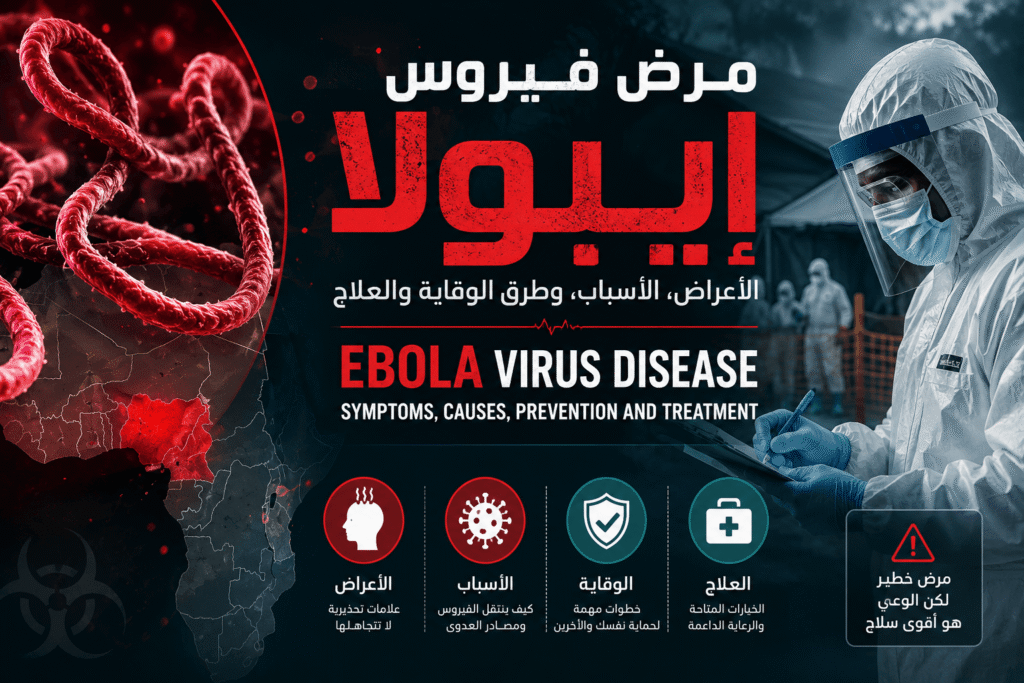
مرض فيروس إيبولا: الأعراض، الأسباب، وطرق الوقاية والعلاج

Ebola Virus Disease (EVD), formerly known as Ebola hemorrhagic fever, is one of the most severe and deadly illnesses known to affect humans. First identified in 1976, the disease has caused multiple devastating outbreaks across Africa, claiming thousands of lives. Despite being rare, EVD commands global public health attention due to its high fatality rate, rapid transmission, and potential to trigger international health emergencies. This comprehensive guide covers everything you need to know about Ebola: its causes, symptoms, diagnosis, treatment, available vaccines, and how to protect yourself and your community — based on the latest guidance from the World Health Organization (WHO) and the Centers for Disease Control and Prevention (CDC).

What Is Ebola Virus Disease?

Ebola Virus Disease is caused by viruses belonging to the Orthoebolavirus genus within the Filoviridae family. Six species of Orthoebolaviruses have been identified, with three known to cause large outbreaks in humans:

  • Ebola virus (EBOV) — causes Ebola Virus Disease (EVD), the most studied and most common cause of major outbreaks.
  • Sudan virus (SUDV) — causes Sudan Virus Disease (SVD), responsible for several notable outbreaks in Uganda and South Sudan.
  • Bundibugyo virus (BDBV) — causes Bundibugyo Virus Disease (BVD), associated with outbreaks in Uganda and the Democratic Republic of the Congo.

According to the WHO, the average case fatality rate for Ebola disease is approximately 50%, with historical variation ranging from 25% to 90% depending on the outbreak and quality of healthcare available. Crucially, approved vaccines and specific treatments currently exist only for Ebola virus (EBOV), while other species remain under active research.

A Brief History: How Ebola Was Discovered

Ebola was first identified in 1976 during two simultaneous outbreaks: one caused by Sudan virus in Nzara (present-day South Sudan), and another caused by Ebola virus near the Ebola River in Yambuku, Democratic Republic of the Congo — giving the disease its name. For decades, outbreaks remained relatively contained in remote African regions. That changed dramatically with the 2014–2016 West Africa epidemic, the largest in history, which infected more than 28,000 people and killed over 11,000 across Guinea, Sierra Leone, and Liberia. This crisis accelerated global investment in Ebola research, ultimately leading to breakthrough vaccines and treatments.

How Does Ebola Spread?

Understanding Ebola’s transmission routes is essential for effective prevention. The virus spreads through direct contact with infected body fluids — not through air, water, or food under normal circumstances.

Animal-to-Human Transmission

It is believed that fruit bats of the Pteropodidae family serve as natural reservoir hosts for Ebola viruses. The virus enters the human population through close contact with the blood, secretions, organs, or other bodily fluids of infected animals — including fruit bats, chimpanzees, gorillas, monkeys, forest antelope, and porcupines found ill or dead in the rainforest. Handling and consumption of raw or undercooked bushmeat is a significant risk factor in endemic regions.

Human-to-Human Transmission

Once introduced into the human population, Ebola spreads through direct contact — via broken skin or mucous membranes — with:

  • The blood or body fluids (urine, saliva, sweat, feces, vomit, breast milk, semen, or vaginal fluids) of a person who is sick with or has died from Ebola.
  • Objects or surfaces contaminated with body fluids from an Ebola patient (needles, syringes, clothing, bedding).
  • Infected semen (the virus can persist in semen for up to 15 months after clinical recovery).

A critical point: People cannot transmit Ebola before symptoms appear. They remain infectious as long as the virus is detectable in their blood. Healthcare workers are at particularly high risk if strict infection control precautions are not followed. Traditional burial ceremonies involving direct contact with the body of a deceased Ebola patient have historically been a major driver of outbreak amplification.

Symptoms of Ebola Virus Disease

The incubation period — time from infection to symptom onset — ranges from 2 to 21 days, with an average of 8–10 days. Symptoms typically appear suddenly and progress through recognizable stages.

Early Stage Symptoms (Days 1–5)

  • Sudden onset of fever (often high-grade)
  • Severe fatigue and weakness
  • Intense muscle pain and body aches
  • Headache (often severe)
  • Sore throat

Progressive Stage Symptoms (Days 5–10)

  • Vomiting and diarrhea (often profuse and watery)
  • Abdominal pain and cramps
  • Skin rash (maculopapular)
  • Impaired kidney and liver function
  • Confusion, irritability, and aggression (neurological involvement)

Advanced Stage (Hemorrhagic Manifestations)

Contrary to popular belief, bleeding is not universal and tends to occur in later stages. When present, it may include blood in vomit and stool, bleeding from the nose and gums, and oozing at injection sites. The hallmark “bleeding from all orifices” is actually seen in a minority of patients. The CDC emphasizes that early symptoms mimic many other illnesses such as malaria, typhoid fever, meningitis, and other viral hemorrhagic fevers — making early diagnosis challenging.

Diagnosis

Clinical diagnosis alone is insufficient and unreliable in the early stages. Laboratory confirmation is essential and involves the following methods:

  • Reverse Transcriptase PCR (RT-PCR): The gold standard for detecting viral RNA; most sensitive and specific.
  • Antigen-capture ELISA: Detects viral proteins; useful for rapid screening.
  • Antibody-capture ELISA (IgM and IgG): Measures immune response; useful for retrospective diagnosis.
  • Virus isolation by cell culture: Performed only in maximum biosafety level (BSL-4) laboratories.

All specimens from suspected Ebola patients represent an extreme biohazard and must be handled under maximum biological containment conditions. International shipment of non-inactivated samples must follow the triple packaging system as per WHO and IATA guidelines.

Treatment Options

Significant therapeutic advances have been made in recent years. Treatment for EVD now rests on two pillars:

1. Optimized Supportive Care

Early, intensive supportive care remains the cornerstone of treatment for all Ebola diseases. WHO’s “optimized supportive care” protocol includes: aggressive oral or intravenous rehydration to combat fluid loss, management of fever, pain, and nausea, treatment of co-infections (such as malaria, which is common in endemic areas), nutritional support, and careful monitoring of organ function. Initiating care early dramatically improves survival outcomes even in the absence of specific antivirals.

2. Specific Monoclonal Antibody Treatments (for EBOV only)

For Ebola virus disease specifically, the WHO strongly recommends two monoclonal antibody therapies:

  • mAb114 (Ansuvimab / Ebanga™): A single human monoclonal antibody derived from a survivor of the 1995 Kikwit outbreak. Received FDA approval in December 2020. Demonstrated ~91% survival rate in the PALM trial during the 2018–2020 DRC outbreak.
  • REGN-EB3 (Inmazeb™): A cocktail of three monoclonal antibodies (atoltivimab, maftivimab, odesivimab). Also FDA-approved (October 2020) and showed similarly high efficacy in the PALM trial.

These treatments are not yet available for Sudan virus (SUDV) or Bundibugyo virus (BDBV) disease, though clinical trials using CORE protocols are underway.

Ebola Vaccines: A Scientific Milestone

The development of effective Ebola vaccines represents one of the most significant achievements in modern vaccinology. Two vaccines are currently approved for Ebola virus disease:

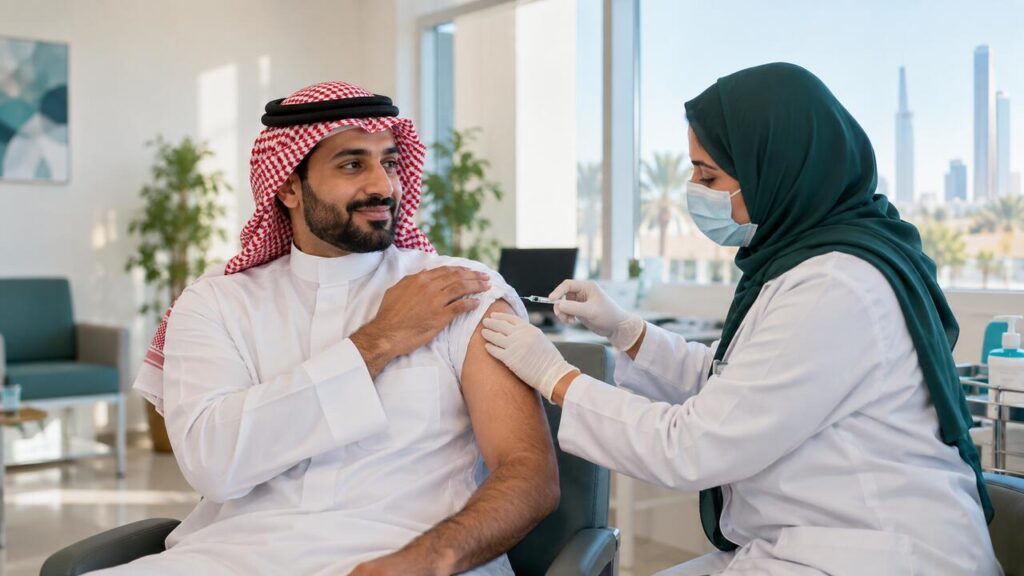
  • Ervebo (rVSV-ZEBOV-GP) by Merck: A single-dose, live-attenuated recombinant vesicular stomatitis virus vaccine. Approved by both the FDA and EMA. Recommended by WHO’s Strategic Advisory Group of Experts (SAGE) as the primary vaccine for outbreak response. Demonstrated over 97% efficacy in a ring vaccination trial during the 2018–2020 DRC outbreak. Available through the International Coordinating Group (ICG) for outbreak response.
  • Zabdeno (Ad26.ZEBOV) and Mvabea (MVA-BN-Filo) by Janssen: A two-dose regimen given 56 days apart. Used for preventive vaccination of healthcare workers and frontline responders in at-risk settings. Requests can be made through Gavi’s Preventive Ebola Vaccination program.

No approved vaccines exist yet for Sudan virus or other Ebola species, though candidates are progressing through clinical trials.

Prevention and Public Health Measures

Controlling Ebola outbreaks requires a coordinated package of interventions. The WHO outlines the following key prevention strategies:

Community-Level Prevention

  • Avoid wildlife contact: Do not handle or consume raw/undercooked bushmeat, especially bats and primates in endemic regions.
  • Safe and dignified burials: Bodies of Ebola victims must be handled by trained burial teams using proper protective equipment. Communities should be engaged and educated to understand why traditional burial practices must be modified during outbreaks.
  • Immediate isolation: Suspected Ebola cases should be immediately isolated in designated treatment units to prevent household and community spread.
  • Hand hygiene: Regular and thorough handwashing with soap and water or alcohol-based hand sanitizers.
  • Community engagement: Active involvement of community leaders, religious figures, and local organizations in outbreak response is proven to accelerate containment.

Healthcare Facility Precautions

Healthcare workers must apply standard infection prevention and control (IPC) precautions with all patients, regardless of diagnosis. When caring for suspected or confirmed Ebola patients, additional precautions are essential:

  • Full Personal Protective Equipment (PPE): impermeable gown, gloves (double-gloving recommended), face shield or goggles, N95 respirator or equivalent, and boot covers.
  • Strict donning and doffing protocols to avoid self-contamination.
  • Safe injection practices and safe handling of sharps.
  • Proper decontamination of all equipment, surfaces, and waste.

Life After Ebola: Survivor Care

Surviving Ebola is just the beginning of a long recovery journey. Ebola survivors often experience “Post-Ebola Syndrome,” a constellation of persistent physical and psychological symptoms including:

  • Joint and muscle pain
  • Eye problems (uveitis), which can lead to blindness if untreated
  • Extreme fatigue and weakness
  • Memory loss and cognitive difficulties (“brain fog”)
  • Hearing loss
  • Depression, anxiety, and PTSD

Additionally, the Ebola virus can persist in immune-privileged sites (testicles, eyes, brain, placenta) even after clearance from the bloodstream. Male survivors can transmit the virus sexually for up to 15 months after clinical recovery. The WHO recommends regular semen testing and safe sex practices for male survivors until two consecutive negative results are obtained. Survivor care programs should also address the needs of pregnant and breastfeeding women, as the virus may persist in amniotic fluid and breast milk.

Major Ebola Outbreaks: A Historical Timeline

  • 1976: Dual outbreaks in Nzara (Sudan virus) and Yambuku (Ebola virus) — over 600 combined cases.
  • 1995: Kikwit, DRC — 315 confirmed cases with 81% fatality rate.
  • 2000–2001: Uganda (Sudan virus) — 425 cases, 224 deaths.
  • 2014–2016: West Africa mega-outbreak — 28,616 cases, 11,310 deaths; first widespread urban transmission; triggered global health emergency declaration.
  • 2018–2020: North Kivu, DRC — 3,470 cases, 2,287 deaths; second-largest outbreak ever; first large-scale deployment of Ervebo vaccine.
  • 2022: Uganda (Sudan virus) — 142 confirmed cases; highlighted the urgent need for SVD-specific vaccines and treatments.

Ebola and Global Travel: What You Should Know

For international travelers visiting regions with active Ebola outbreaks, the CDC recommends checking the latest Ebola travel advisories before departure. Key precautions include: avoiding contact with blood or body fluids of any person, refraining from handling items that may have come in contact with an infected person’s blood or body fluids, avoiding contact with bats or primates, and seeking immediate medical attention if symptoms develop within 21 days of returning from an affected region. Travelers should inform healthcare providers of their travel history.

WHO’s Global Response to Ebola

The WHO plays a central coordinating role in Ebola preparedness and response. Key activities include: maintaining global surveillance systems, supporting at-risk countries to develop and test preparedness plans, coordinating vaccine stockpiles and deployment, facilitating clinical trials for new therapeutics and vaccines, providing technical guidance on infection prevention and control, and supporting the establishment of survivor care programs. The WHO’s framework document “Ebola and Marburg Virus Disease Epidemics: Preparedness, Alert, Control and Evaluation” provides comprehensive guidance for national authorities.

Conclusion

Ebola Virus Disease remains one of the most formidable infectious threats known to medicine. Yet the scientific community has made remarkable strides: from having no approved treatments or vaccines just a decade ago, we now have effective tools to fight Ebola virus disease specifically. The keys to controlling EVD remain early detection, rapid response, strong healthcare infrastructure, community trust and engagement, and continued investment in research for the broader family of Ebola viruses. For up-to-date information, always consult the WHO Ebola fact sheet and the CDC Ebola page.

Scroll to Top