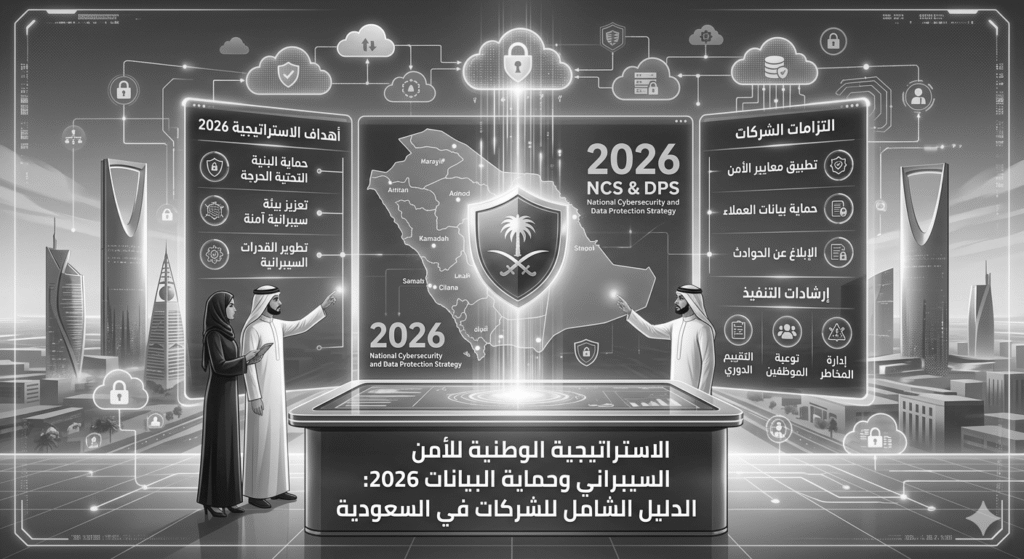
In the era of Saudi Vision 2030, digital transformation has become the heartbeat of the national economy. However, with rapid digitalization comes the critical responsibility of safeguarding assets. Cybersecurity is no longer just a technical layer; it is the “first line of defense” for business continuity. In this extensive guide from SaudiWe, we explore the legislative frameworks, modern threats, and global best practices required to secure enterprises in the Kingdom.
I. The Legislative and Legal Framework in the Kingdom
Saudi Arabia has established a rigorous legal environment to ensure a secure digital space, fostering investor confidence and protecting national sovereignty.
1. Personal Data Protection Law (PDPL)
The PDPL is the cornerstone of privacy rights in the Kingdom. It applies to any entity processing personal data related to individuals within Saudi Arabia.
- Data Processing Defined: This includes any operation performed on data, such as collection, recording, storage, or destruction.
- Privacy Policy Mandate: Entities must publish a clear privacy policy explaining “why” and “how” data is utilized.
- Cross-Border Data Transfer: The law sets strict controls on transferring personal data outside the Kingdom to ensure data sovereignty and continuous protection.
2. Anti-Cybercrime Law
This law focuses on the criminal aspect of the digital realm. It defines penalties for hacking, unauthorized access, wiretapping, and electronic defamation. Penalties can reach years of imprisonment and millions in fines, serving as a powerful legal deterrent.
II. The National Cybersecurity Authority (NCA) and Essential Controls
The NCA is the national reference for cybersecurity affairs. It has issued frameworks that every national entity (public or private) must follow to ensure a baseline of security.
Essential Cybersecurity Controls (ECC-1:2018)
These controls consist of 5 main pillars:
- Cybersecurity Governance: Requires companies to have an approved security strategy and clear roles for security officers.
- Cybersecurity Defense: Focusing on securing technical assets, vulnerability management, and protecting cloud and network infrastructures.
- Cybersecurity Resilience: Developing business continuity plans to recover from digital disasters and ensure critical services remain uninterrupted.
- Third-Party Cybersecurity: Ensuring that suppliers and partners follow security standards that match your organization’s requirements.
- Industrial Control Systems (OT) Security: Protecting factories and production lines connected to the internet from destructive attacks.
III. The 2026 Cyber Threat Landscape in the Saudi Market
As a global economic hub, the Kingdom is a primary target for organized cyber-attacks. Here is an analysis of the most prevalent threats:
1. Advanced Ransomware and “Double Exfiltration”
Modern ransomware does not just encrypt files; it involves stealing sensitive data first. Attackers threaten to leak information on the “Dark Web” if the ransom is not paid, creating a double-extortion scenario.
2. Spear Phishing and Social Engineering
Attackers target employees with highly accurate data. A CFO might receive an email that looks exactly like it came from the CEO, requesting an urgent wire transfer. These attacks exploit human psychology rather than technical loopholes.
3. Internet of Things (IoT) Vulnerabilities
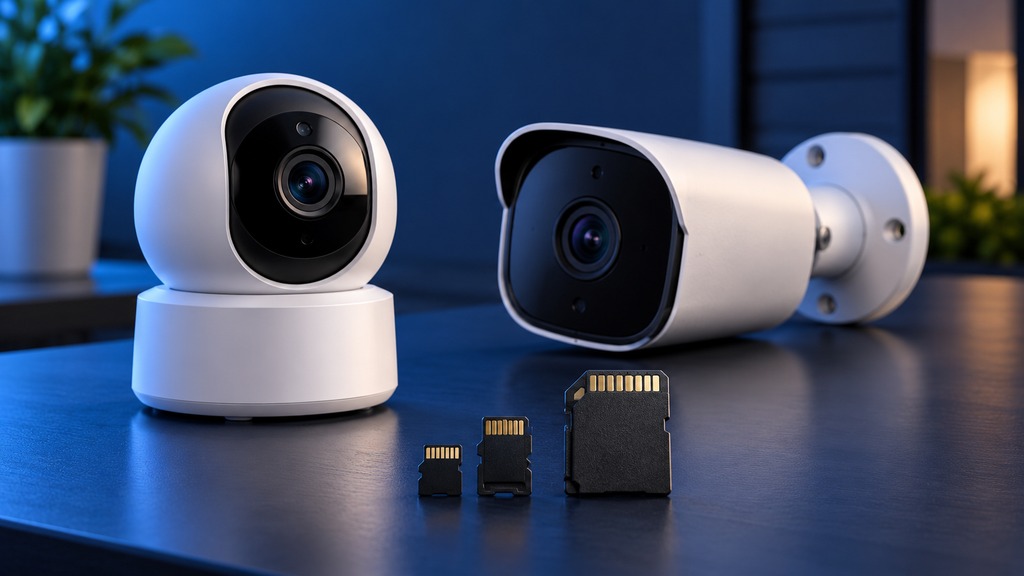
As Saudi cities transition into “Smart Cities,” connected devices (such as surveillance cameras and HVAC controllers) become potential entry points for hackers if not properly secured from the start.
IV. Technical Comparison of Global and Local Security Solutions
| Category | Recommended Tool | Technical Description | Official Link |
| Endpoint Protection (EDR) | CrowdStrike Falcon | AI-driven behavioral analysis to detect threats before they occur. | Visit CrowdStrike |
| Security Event Mgmt (SIEM) | Splunk Enterprise | Real-time collection and analysis of system logs to detect breaches. | Visit Splunk |
| Next-Gen Firewall (NGFW) | Fortinet FortiGate | Advanced network protection featuring deep packet inspection. | Visit Fortinet |
| Data Encryption | Vormetric (Thales) | Encryption for data at rest and data in transit across all environments. | Visit Thales |
V. Practical Steps to Build a “Cyber Culture” Within Your Organization
Technology alone is insufficient. SaudiWe provides this practical roadmap:
- Conduct Risk Assessments: You cannot protect what you do not know. Identify your most critical digital assets (customer data, trade secrets) and evaluate the surrounding risks.
- Implement “Zero Trust” Architecture: This policy means never automatically trusting any user or device, even inside the company network. Identity must be verified for every single access request.
- Continuous Awareness Programs: Conduct “mock phishing attacks” to test employee awareness. An educated employee is your strongest firewall.
- End-to-End Encryption: Ensure all sensitive data is encrypted, whether stored on servers or sent via email.
- Principle of Least Privilege: Grant every employee the minimum level of access required to perform their specific job. This limits damage if an account is compromised.
VI. Cybersecurity in the Cloud
With most Saudi firms migrating to Google Cloud, Microsoft Azure, or local providers like STC Cloud, the concept of “Shared Responsibility” is vital.
- Provider Responsibility: Securing physical infrastructure, power, and cooling.
- Customer Responsibility: Securing data, managing user accounts, and configuring security settings correctly.
VII. Insights for Investors and Entrepreneurs
If you are building a new tech project, integrate cybersecurity into the “design” phase (Security by Design) rather than as an afterthought. The cost of remediating a breach after it occurs can be ten times higher than building a secure system from the beginning. Furthermore, compliance with NCA controls opens doors for contracts with government agencies and major corporations.
Conclusion
Cybersecurity in the Kingdom of Saudi Arabia is a marathon, not a sprint. It requires continuous updates and a long-term commitment. By adhering to local regulations like the PDPL and following NCA controls, your organization ensures not only protection against hackers but also the building of trust with customers and partners. At SaudiWe, we believe that digital awareness is the true power that will lead the Kingdom toward a bright and secure technological future.
Have you performed a vulnerability scan for your website this year? Do not wait for an attack to act; security begins with proactivity.